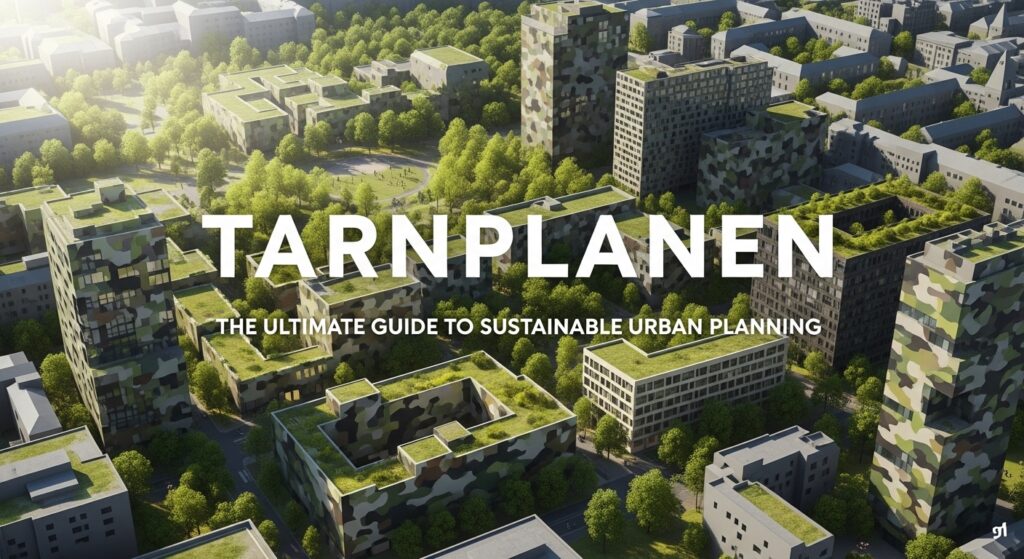
Welcome to the world of Tarnplanen, where sustainable urban planning takes center stage. As cities grapple with rapid growth and environmental concerns, the need for intelligent design has never been more pressing. Tarnplanen isn’t just a buzzword; it’s a transformative approach that reimagines how we build our communities. Imagine cities that thrive on green spaces, efficient transportation, and resilient infrastructure—this is the vision of Tarnplanen.
In this ultimate guide, we’ll explore what makes Tarnplanen essential for modern urban environments. From its core principles to inspiring success stories, you’ll discover how this innovative framework can pave the way for sustainable living in our bustling metropolises. Join us as we delve into challenges faced by planners and strategies that empower local communities to take part in shaping their surroundings. Get ready to envision a brighter future!
The Principles of Sustainable Urban Planning
Sustainable urban planning revolves around several core principles that prioritize environmental integrity, social equity, and economic viability. One key principle is mixed-use development. This approach encourages diverse functionalities within neighborhoods, reducing the need for long commutes and fostering vibrant communities.
Another important aspect is green spaces. Integrating parks and natural areas enhances biodiversity while offering residents recreational opportunities. Transportation plays a critical role as well. Sustainable cities promote public transit systems, cycling paths, and pedestrian-friendly walkways to reduce reliance on cars.
Energy efficiency also stands out in sustainable designs. Utilizing renewable energy sources and implementing smart technologies can significantly lower carbon footprints.
Community engagement is vital throughout the planning process; listening to local voices ensures that developments meet actual needs rather than imposing top-down solutions. Each principle works together harmoniously to create resilient cities capable of thriving amid changing global conditions.
Case Studies: Successful Examples of Sustainable Urban Planning
Case studies of successful sustainable urban planning showcase diverse approaches around the globe. In Copenhagen, Denmark, integration of green spaces with public transport has transformed city dynamics. The innovative bike-sharing system encourages eco-friendly commuting while reducing traffic congestion.
Barcelona offers another inspiring example with its “superblocks.” These pedestrian-first zones limit car access and promote local businesses. Enhanced walkability creates vibrant communities that prioritize residents’ needs over vehicles. On a different note, Curitiba in Brazil stands out for its efficient bus rapid transit (BRT) system. This model not only minimizes carbon emissions but also ensures affordable transportation for all citizens.
Each case teaches valuable lessons about harmonizing human needs with environmental sustainability, paving the way for future developments in urban design.
Challenges and Obstacles in Implementing Tarnplanen
Implementing Tarnplanen faces several challenges. One major hurdle is the lack of funding. Sustainable projects often require significant investment upfront, which can deter local governments and stakeholders.
Regulatory barriers also pose a challenge. Existing zoning laws may not align with the principles of sustainable urban planning, making it difficult to realize innovative designs.
Public resistance can be another obstacle. Some communities may fear change or feel disconnected from proposed plans, leading to pushback against new initiatives.
Additionally, integrating technology into urban spaces requires expertise that many municipalities might lack. This gap in knowledge can slow down progress and hinder effective implementation.
Climate variability adds complexity to planning efforts. Adapting strategies for sustainability while considering future environmental changes is no easy feat. Each challenge necessitates careful consideration and strategic action to move forward effectively in implementing Tarnplanen.
Solutions and Strategies for Overcoming Challenges
Addressing the challenges of Tarnplanen requires innovative thinking and collaboration. One effective strategy is to foster partnerships among local governments, businesses, and community organizations.
Implementing pilot projects can showcase potential benefits. These small-scale initiatives allow stakeholders to experiment with sustainable practices without overwhelming resources or budgets.
Education plays a crucial role in overcoming resistance. Workshops and seminars can demystify urban planning concepts for residents, empowering them to engage actively in discussions about their environment.
Utilizing technology also enhances transparency and communication. Digital platforms enable real-time feedback from community members, allowing planners to adjust strategies based on public input.
Securing funding through grants or private investments creates opportunities for comprehensive planning efforts. Engaging diverse funding sources ensures that sustainability projects are not limited by financial constraints.
The Importance of Community Involvement in Tarnplanen
Community involvement is crucial in Tarnplanen. Engaging local residents fosters a sense of ownership and pride in urban development projects. When people have a say, they contribute valuable insights based on their experiences and needs.
Collaboration creates spaces that reflect the community’s identity. This can lead to innovative solutions that address unique challenges faced by neighborhoods. Involving diverse voices ensures that everyone has access to amenities and services.
Moreover, participation builds trust between citizens and planners. When stakeholders feel heard, it encourages transparency in decision-making processes. It also promotes collective responsibility for maintaining sustainable practices.
Vibrant communities thrive when residents actively shape their surroundings. Their input can guide priorities, making Tarnplanen not just a plan but a shared vision for the future of urban living.
Future Outlook: How Tarnplanen can Shape Sustainable Cities
Tarnplanen holds immense promise for shaping the cities of tomorrow. Its framework encourages a harmonious blend of nature and urban life, creating spaces that thrive on sustainability.
As populations grow, urban planners will increasingly turn to Tarnplanen principles. This approach emphasizes green infrastructure, like parks and gardens integrated into city designs. These elements not only enhance aesthetics but also improve air quality and biodiversity.
Technology plays a pivotal role in this transformation. Smart city innovations can align with Tarnplanen strategies to optimize resource use and reduce waste. Data-driven solutions will help manage everything from energy consumption to public transportation efficiently.
Community engagement remains vital in this journey. By involving residents in decision-making processes, cities can ensure that developments reflect local needs while fostering a sense of ownership over shared spaces. The future is bright as Tarnplanen redefines how we envision urban living within sustainable frameworks.
Conclusion
Tarnplanen represents a transformative approach to urban development, emphasizing sustainability and community engagement. By integrating the principles of sustainable urban planning into our cities, we can create spaces that are not only environmentally friendly but also socially inclusive.
The case studies highlighted reveal successful implementations of Tarnplanen across various regions. These examples serve as a blueprint for other communities looking to adopt similar practices. While challenges remain in adopting this framework—such as funding issues and resistance from stakeholders—the solutions discussed provide actionable pathways forward.
Community involvement is crucial in this process. When residents have a say in how their neighborhoods develop, it fosters ownership and commitment to sustainability goals. Engaging with local voices ensures that urban plans reflect the needs and desires of those who inhabit them.
Looking ahead, Tarnplanen has the potential to redefine what our cities can be. The emphasis on green spaces, efficient transportation systems, and mixed-use developments paves the way for more livable environments that prioritize both people and planet.
As more municipalities embrace these strategies, we may witness a shift towards resilient urban landscapes capable of adapting to future challenges while ensuring accessibility for generations to come. Sustainable cities built on Tarnplanen principles could very well become the norm rather than an exception—a promising vision for tomorrow’s world.