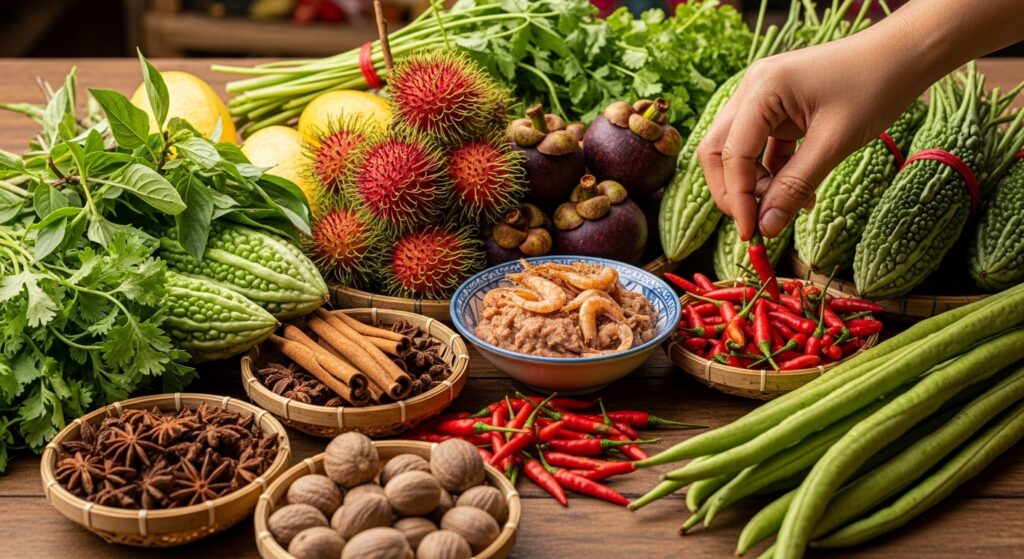
Soutaipasu cuisine is a delightful fusion that tantalizes taste buds and sparks curiosity. This vibrant culinary tradition beautifully marries the rich flavors of Japanese, Taiwanese, and Filipino cultures. Each dish tells a story, inviting you on a journey through diverse ingredients and cooking methods.
Imagine savoring meals infused with umami-rich seasonings alongside fresh herbs that evoke memories of bustling street markets. The experience is nothing short of enchanting. As we delve deeper into the world of Soutaipasu dishes, you’ll discover unique ingredients that define this cuisine’s character and charm. Get ready to immerse yourself in an exploration that’s as flavorful as it is enlightening!
The influence of Japanese, Taiwanese, and Filipino cultures
Soutaipasu cuisine beautifully blends the rich culinary traditions of Japan, Taiwan, and the Philippines. Each culture contributes distinct flavors and techniques that make this fusion truly special.
From Japanese cuisine, we see an emphasis on fresh ingredients and presentation. Techniques like sushi rolling or tempura frying influence how dishes are crafted.
Taiwanese elements shine through in the use of bold spices and unique textures. Traditional street food inspires many Soutaipasu recipes, bringing a vibrant energy to every meal.
Filipino culture adds heartiness with its focus on family-style dining. Dishes often feature savory combinations that reflect local ingredients while celebrating communal eating experiences.
Together, these influences create a diverse palette of flavors in Soutaipasu dishes, highlighting harmony among different cultures. The result is a culinary journey that excites the senses and warms the soul.
Key ingredients used in Soutaipasu dishes
Soutaipasu dishes are a vibrant fusion of flavors, drawn from an eclectic mix of cultures. Key ingredients play a crucial role in defining this unique cuisine.
Rice is a staple, forming the base for many meals. It’s often paired with various proteins like pork and chicken, marinated to perfection.
Vegetables such as bok choy and eggplant add freshness and color. They provide essential nutrients while enhancing the overall taste profile.
Spices like ginger, garlic, and chili peppers infuse warmth into every dish. These aromatic elements create layers of flavor that linger on the palate.
Soy sauce is another cornerstone ingredient, contributing umami richness to many Soutaipasu recipes. It balances sweetness with savory notes beautifully.
Coconut milk brings creaminess to certain preparations. This element ties together different textures harmoniously in Soutaipasu cooking.
Notable dishes featuring these ingredients
Soutaipasu cuisine boasts a variety of standout dishes that highlight its unique ingredients. One must-try dish is the savory “Pork Adobo Ramen.” This fusion combines tender marinated pork with rich, umami broth and handmade noodles.
Another gem is the “Miso-tamari Tofu Stir-fry.” Here, fresh vegetables are tossed with tofu marinated in a blend of miso and tamari, resulting in layers of flavor that dance on your palate.
For those who love seafood, “Spicy Tuna Poke Bowl” is an explosion of freshness. It features sushi-grade tuna drizzled with spicy sauce over a bed of rice and garnished with seaweed salad.
Don’t overlook desserts like “Matcha Coconut Sticky Rice.” The combination of matcha’s earthiness paired with sweet coconut cream creates an unforgettable ending to any meal. Each dish tells its own story through vibrant flavors and textures.
Traditional cooking techniques and flavors
Soutaipasu cuisine is rich in traditional cooking techniques that enhance the flavors of its unique dishes. Steaming and slow-cooking are commonly used methods, allowing ingredients to retain their natural essence.
Fermentation is also a key aspect. It adds depth and complexity, creating distinctive tastes that define many Soutaipasu meals. The balance of sweet, savory, and umami elements is often achieved through careful seasoning with soy sauce or miso.
Grilling over open flames imparts a smoky flavor that elevates the freshness of vegetables and meats alike. This technique captures an authentic taste reminiscent of street food stalls found throughout East Asia.
Herbs like lemongrass and cilantro play crucial roles too. They infuse dishes with vibrant aromas while contributing health benefits. Each method showcases the artistry behind Soutaipasu cooking, inviting you to explore its delightful layers of flavor.
Health benefits of Soutaipasu ingredients
Soutaipasu ingredients are not just flavorful; they also pack a nutritional punch. Many of these components, like fresh vegetables and lean proteins, contribute to a balanced diet.
Take mung beans, for instance. They are rich in protein and fiber, promoting digestive health and aiding weight management. Their low glycemic index makes them ideal for those monitoring blood sugar levels.
Another standout is the use of seaweed in various dishes. This ingredient is loaded with vitamins and minerals, particularly iodine which supports thyroid function.
Herbs such as cilantro or basil offer anti-inflammatory properties while adding vibrant flavors to meals. These herbs can enhance overall wellness through their antioxidant content.
The combination of these diverse ingredients results in dishes that nourish both body and soul. Embracing Soutaipasu cooking means embracing healthful eating habits without sacrificing taste.
How to incorporate Soutaipasu flavors into your own cooking
Incorporating Soutaipasu flavors into your cooking can be an exciting adventure. Start by exploring key ingredients like soy sauce, miso paste, and fragrant herbs.
Consider marinating proteins in a mixture of soy sauce and citrus juice for a savory punch. This simple technique adds depth to meats or tofu.
Next, experiment with rice dishes. Stir-fry cooked rice with garlic, scallions, and vegetables for an easy yet flavorful side dish.
If you’re feeling adventurous, try creating a broth infused with ginger and lemongrass as the base for soups or ramen-style noodles.
Don’t forget about incorporating fresh produce! Ingredients like bok choy or eggplant work beautifully in stir-fried dishes.
Sprinkle some sesame seeds on top of your creations for added texture and flavor. With these ideas in mind, you’re well on your way to bringing Soutaipasu cuisine to your kitchen.
Conclusion
Soutaipasu cuisine is a vibrant blend of flavors and traditions, drawing from the rich culinary practices of Japan, Taiwan, and the Philippines. Its unique ingredients create dishes that are not only delicious but also deeply rooted in cultural history.
By understanding key ingredients like miso, tofu, bamboo shoots, and various fresh herbs and spices found in Soutaipasu dishes, you can appreciate the balance they bring to each meal. Notable dishes such as savory miso ramen or light stir-fried tofu with seasonal vegetables showcase these elements beautifully.
Traditional cooking techniques play an essential role too. From steaming to simmering over low heat, these methods enhance natural flavors while keeping meals nutritious. Plus, many Soutaipasu ingredients boast significant health benefits—like high protein content from soy products or antioxidants present in leafy greens.
If you’re inspired by this unique cuisine and eager to explore it at home, consider incorporating some of its signature flavors into your everyday cooking. Experiment with different combinations of classic Soutaipasu ingredients for a delightful twist on familiar recipes.
Embracing Soutaipasu not only expands your culinary repertoire but also connects you with a tapestry of cultures that celebrate food as an art form. Discovering this fusion opens up new avenues for creativity in your kitchen while honoring traditions from around Asia.