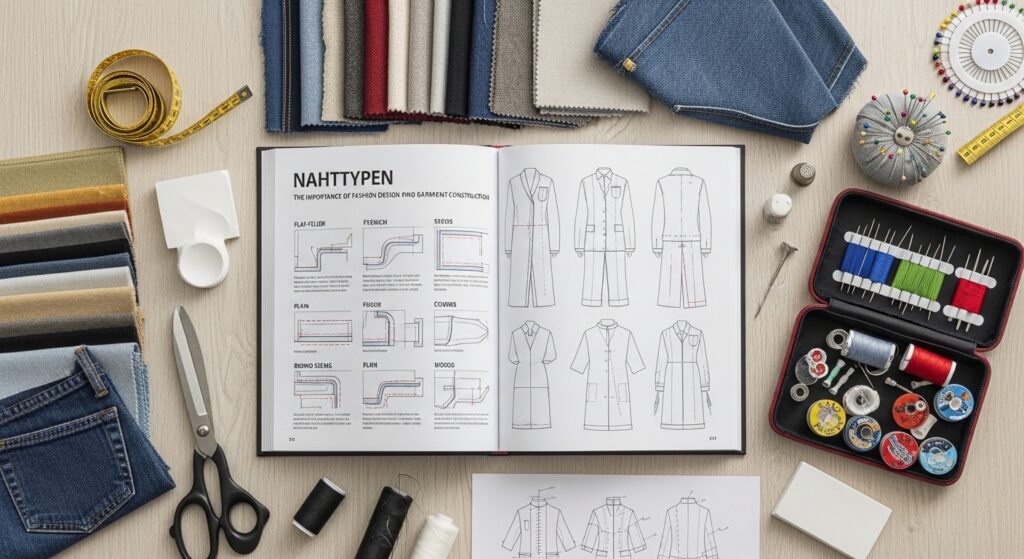
Garment construction is more than just stitching fabric together; it’s an intricate dance of creativity and precision. At the heart of this art lies a unique concept known as Nahttypen, or seam types, which plays a pivotal role in defining the aesthetics and functionality of clothing. Whether it’s the delicate seams that grace high-fashion couture or the robust stitches found in everyday wear, understanding Nahttypen can unlock new dimensions in fashion design. This blog aims to explore how these techniques not only shape garments but also reflect our cultural evolution and individual styles. Dive into the fascinating world where craftsmanship meets innovation, setting the stage for trends and timeless pieces alike. Let’s unravel the importance of garment construction together!
The Evolution and History of Garment Construction
Garment construction has roots that trace back thousands of years. Early civilizations used simple techniques to create clothing from available materials, like animal hides and plants. These early garments were functional, aimed at protection rather than style.
As societies evolved, so did their clothing methods. The introduction of weaving transformed how fabrics were created. This allowed for more diverse patterns and textures, paving the way for intricate designs.
The Renaissance period marked a significant shift in garment construction. Tailoring became an art form as skilled artisans began crafting fitted garments. Techniques such as draping emerged, providing garment makers with new ways to shape fabric around the body.
By the 20th century, industrialization brought mass production into play. Sewing machines revolutionized efficiency while also introducing standardized sizes and styles to fashion markets worldwide. Today’s designers blend traditional craftsmanship with modern technology to push boundaries in garment creation.
Why is Garment Construction Important in Fashion Design?
Garment construction is the backbone of fashion design. It transforms creative ideas into tangible products. Without solid construction techniques, even the most innovative designs can fall flat.
Quality stitching and structural integrity ensure that garments fit well and last over time. This not only enhances the aesthetic appeal but also boosts customer satisfaction.
Moreover, understanding garment construction allows designers to experiment with different fabrics and styles effectively. Knowledge in this area paves the way for innovation while maintaining functionality.
In an industry where trends change rapidly, efficient construction methods streamline production processes. Designers who grasp these concepts can bring their visions to life faster and more efficiently.
Mastering garment construction elevates a designer’s work from mere concept to wearable art.
Different Types of Nahttypen Techniques
Nahttypen techniques are the backbone of garment construction, defining both functionality and aesthetic appeal.
Among these methods, the straight stitch is a fundamental choice known for its simplicity and strength. It creates clean lines that suit various fabrics.
Zigzag stitching, on the other hand, offers elasticity to seams. This technique is essential when working with stretch materials like jersey or spandex.
For those looking to add flair, decorative stitches such as embroidery can elevate a design. They serve not only as structural elements but also enhance visual interest.
French seams provide a polished look by enclosing raw edges. This technique is popular in high-end garments where durability meets elegance.
Flat-felled seams ensure robustness while delivering a neat finish—common in denim wear. Each nahttyp brings unique qualities that contribute significantly to fashion design’s overall impact.
The Process of Creating a Garment: From Sketch to Finished Product
The journey of creating a garment begins with an idea, often illustrated through sketches. Designers bring their visions to life on paper, translating inspiration into shape and color.
Once the design is finalized, fabric selection comes next. Choosing the right material can make or break a piece. It’s about texture, weight, and how it drapes.
Pattern making follows suit. This process involves drafting templates that dictate how each piece will be cut from the fabric. Precision here is crucial for a well-fitting garment.
Sewing brings everything together. Skilled artisans stitch pieces according to specifications, ensuring alignment and detail are spot-on.
After assembly comes fitting sessions where adjustments are made as needed. Each step requires careful attention to achieve the desired look and feel.
Finishing touches like hems and embellishments complete the transformation from concept to clothing ready for wear.
Innovative Technology in Nahttypen: How it has Revolutionized Fashion Design
Innovative technology is reshaping the landscape of Nahttypen. Digital pattern-making software allows designers to visualize their creations before any fabric is cut. This not only saves time but also reduces waste, making fashion more sustainable.
3D printing has emerged as a game changer in garment construction. Designers can now create intricate details and custom fittings with ease. The speed at which prototypes can be produced has accelerated the design process significantly.
Additionally, automated sewing machines are enhancing precision in stitching techniques. These machines ensure uniformity across large production runs while maintaining high quality standards.
Smart textiles are another exciting frontier within Nahttypen. Fabrics that change color or texture based on environmental factors offer limitless possibilities for creativity and functionality in fashion design.
The intersection of technology and traditional craftsmanship continues to push boundaries, leading to innovative solutions that redefine how garments are created and experienced by consumers.
Challenges Faced by Nahttypen Experts and How they Overcome Them
Nahttypen experts often encounter various challenges in their craft. One major hurdle is the constant evolution of fashion trends. Keeping up with changing consumer preferences requires continuous learning and adaptation.
Another challenge arises from the complexity of fabrics. Different materials behave uniquely when sewn, which can lead to unexpected results during construction. Experts must master techniques that cater specifically to each fabric type.
Time constraints also pose difficulties, especially during busy seasons like fashion week. Balancing speed and quality is crucial for success.
To overcome these obstacles, Nahttypen professionals invest in training and workshops. They collaborate with fellow designers and seamstresses, sharing knowledge to enhance their skills.
Utilizing technology also plays a key role in modern garment construction. Advanced software allows designers to visualize patterns before cutting fabric, minimizing waste and errors while streamlining workflows.
Conclusion
When exploring the world of Nahttypen, it’s clear that garment construction is more than just a technical skill. It’s an intricate blend of art and science that impacts fashion design at every level. From its historical roots to contemporary innovations, each stitch tells a story. Understanding these nuances not only enhances the quality of clothing but also elevates the overall aesthetic.
The importance of mastering various Nahttypen cannot be overstated. They serve as vital tools for designers seeking to express their creativity while ensuring durability and comfort in garments. As technology continues to evolve, so too do these techniques, paving the way for exciting possibilities in fashion.
While challenges are inevitable in this dynamic field, experts continuously adapt and innovate to overcome them. This resilience fosters growth within both individuals and the industry itself.
Delving into Nahttypen allows us to appreciate how crucial garment construction is in shaping our wardrobe choices today and tomorrow. Each piece we wear becomes a testament to this craft’s rich tradition—blending functionality with style seamlessly.