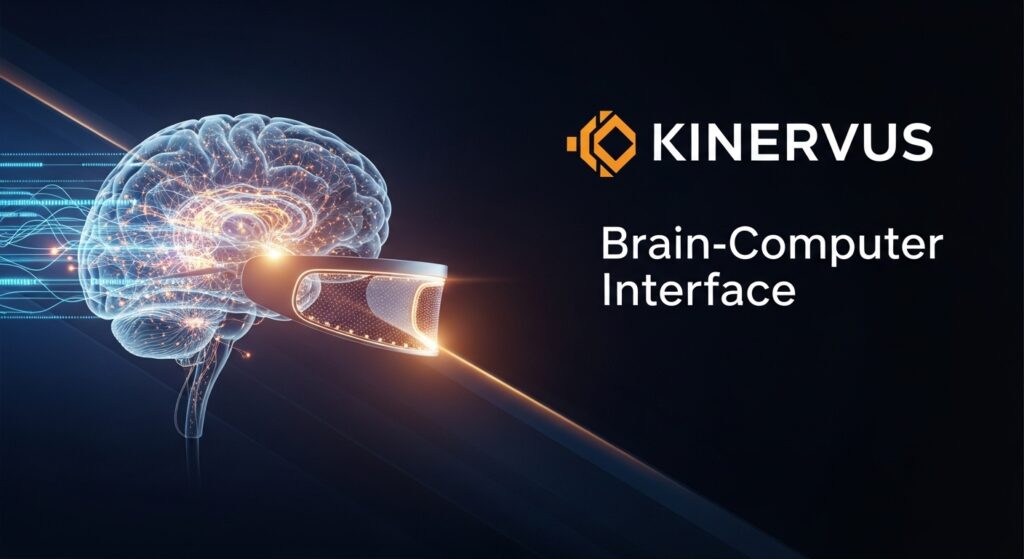
Imagine a world where your thoughts could control devices, where paralyzed individuals can regain movement, and where communication barriers are shattered. This is not science fiction; it’s the promise of Kinervus. As brain-computer interfaces (BCIs) continue to evolve, Kinervus stands at the forefront of this revolutionary technology. By merging neuroscience with cutting-edge engineering, it offers exciting possibilities for enhancing human capabilities and improving lives. Let’s dive into how Kinervus is changing the landscape of BCIs and what it means for our future.
The Evolution of Brain-Computer Interfaces
The journey of brain-computer interfaces (BCIs) began in the 1960s. Early research focused on understanding how electrical activity in the brain could be translated into commands. This groundbreaking work paved the way for future innovations.
As technology advanced, so did our grasp of neural signals. The introduction of sophisticated algorithms allowed researchers to decode thoughts more accurately. By the 1990s, BCIs had transitioned from rudimentary experiments to practical applications.
In recent years, advancements in materials science and machine learning have propelled BCIs further. Wearable devices and implantable systems now offer unprecedented interaction between humans and machines.
With each step forward, scientists continue to unlock new possibilities for communication and control with thought alone. Emerging projects are exploring varied fields such as rehabilitation, gaming, and even mental health treatments—each promising a glimpse into an exciting future where Kinervus plays a vital role.
What Makes Kinervus Different?
Kinervus stands out in the realm of brain-computer interfaces due to its innovative technology and user-centric design. Unlike traditional systems that often require invasive procedures, Kinervus utilizes non-invasive methods for seamless integration with users’ neural pathways.
This platform harnesses advanced algorithms that adapt to individual neurological patterns, ensuring a personalized experience. The ability to learn and evolve over time makes it remarkably effective in various applications.
Moreover, Kinervus prioritizes accessibility. Its intuitive interface allows individuals without technical expertise to engage effortlessly. This opens doors for wider adoption across different demographics.
The collaborative nature of the system is another key differentiator. By fostering partnerships with researchers and developers, Kinervus encourages continuous improvement and expansion of its capabilities. This dynamic approach positions it as a leader in shaping the future of brain-computer interactions.
Real-Life Applications of Kinervus
Kinervus is making significant strides in various fields. One of the most exciting applications lies in healthcare, where it assists patients with neurological disorders. By enabling direct communication between the brain and external devices, Kinervus offers new hope for those suffering from conditions like ALS or stroke.
In education, this technology opens doors for students with disabilities. Imagine a classroom where a child can control a computer merely by thinking about it. This fosters an inclusive environment that empowers all learners.
The gaming industry also stands to benefit immensely. With Kinervus, gamers can experience immersive gameplay through thought-driven interactions. It transforms traditional gaming into something almost magical.
Moreover, rehabilitation practices are evolving as therapists incorporate Kinervus into their sessions. Patients regain motor skills more effectively when they engage directly with their own thoughts and intentions during recovery exercises. These real-life applications showcase just how far we’ve come with brain-computer interfaces.
Benefits and Advantages of Kinervus
Kinervus offers a range of transformative benefits that set it apart in the realm of brain-computer interfaces. Its user-friendly design makes it accessible for individuals with varying levels of technical knowledge.
One significant advantage is its enhanced communication capabilities. Kinervus empowers users to interact seamlessly with devices, bridging the gap between thought and action. This opens doors for those with mobility impairments, allowing them greater independence.
Moreover, Kinervus prioritizes real-time feedback. Users can see immediate results from their thoughts, making the experience engaging and intuitive. This responsiveness fosters a deeper connection between the user’s mind and technology.
The platform’s adaptability means it can be tailored to different applications—from gaming to medical therapies—catering to diverse needs. Enhanced data security measures also ensure that personal information remains protected while using this innovative technology.
Potential Challenges and Limitations
Despite the groundbreaking potential of Kinervus, several challenges remain. One significant concern is data privacy. As brain-computer interfaces collect sensitive information, ensuring robust security measures is crucial.
Another issue lies in user adaptation. Not everyone can seamlessly integrate such technology into their lives. The learning curve may deter some individuals from fully embracing its benefits.
Additionally, ethical considerations loom large. There are questions about consent and the implications of manipulating neural activity for various purposes.
Accessibility could pose a barrier to widespread adoption. High costs associated with advanced neurotechnology might limit availability for those who need it most. These hurdles must be addressed if Kinervus aims to transform how we interact with machines and each other effectively.
The Future of Brain-Computer Interfaces with Kinervus
The future of brain-computer interfaces is bright, especially with innovations like Kinervus leading the charge. This technology promises to bridge the gap between human cognition and digital systems seamlessly.
Imagine a world where individuals can control devices just by thinking about them. Kinervus makes this vision increasingly attainable. Its advanced algorithms enhance communication between neural signals and external technologies.
As research progresses, we may see applications in various fields such as healthcare, gaming, and education. For instance, patients recovering from strokes could use Kinervus to regain movement or cognitive functions more effectively.
With ongoing improvements in data processing speed and accuracy, user experiences will continue to evolve. Accessibility is also on the horizon as affordability increases over time.
Societal implications are vast too; ethical discussions surrounding privacy and consent will become essential as these tools integrate deeper into daily life. The next frontier of interaction awaits us with Kinervus at the forefront.
Conclusion
The landscape of brain-computer interfaces is continuously evolving, and Kinervus stands at the forefront of this transformation. By seamlessly bridging the gap between human cognition and technology, it opens up a world of possibilities that can enhance various aspects of life.
Its innovative approach not only differentiates it from traditional methods but also highlights its potential for real-world applications. From assisting individuals with mobility impairments to enabling new forms of communication, Kinervus is paving the way for significant advancements in healthcare and beyond.
While challenges remain in terms of accessibility and ethical considerations, the benefits offered by Kinervus are hard to ignore. As research progresses and technology advances, we may see even greater integration into everyday life.
As society grapples with these changes, staying informed about developments like those from Kinervus will be crucial. The future holds immense promise for brain-computer interfaces as they continue to evolve alongside our understanding of both neuroscience and technology. Embracing this journey could lead us toward unprecedented levels of connection between humans and machines.