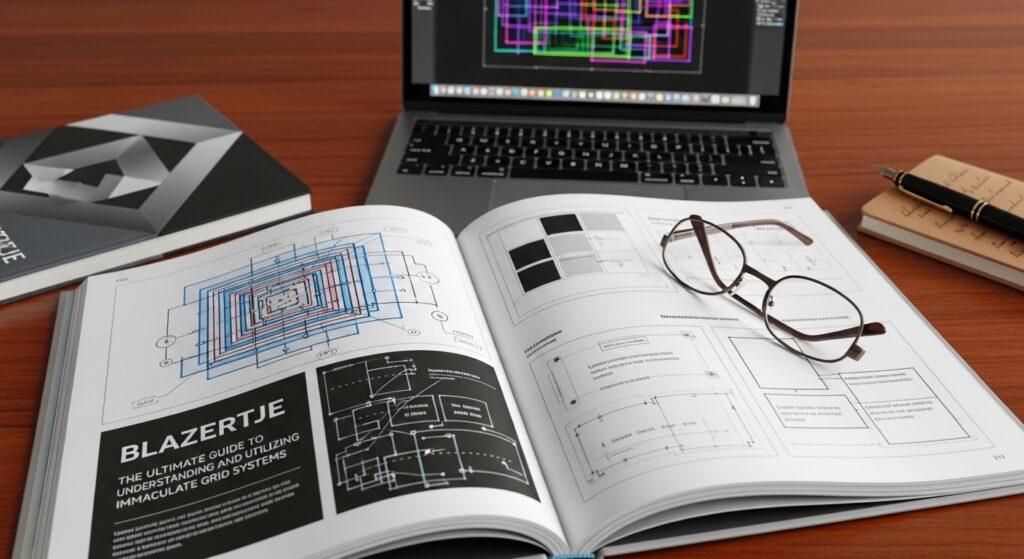
In the rapidly evolving world of design and technology, precision and structure have become crucial. This is where Blazertje comes into play—a concept that revolves around the immaculate grid system. Immaculate grids are not just tools; they are frameworks that guide creators, developers, and strategists in producing seamless, visually appealing, and highly functional layouts. From graphic design to data visualization, grids help maintain balance, order, and usability.
The importance of immaculate grids lies in their ability to harmonize visual elements while optimizing efficiency. They are the invisible scaffolding that supports creativity, allowing designers to focus on innovation without sacrificing structure. Whether you are a professional working with complex layouts or a beginner exploring organized designs, understanding Blazertje and its relation to immaculate grids can transform your approach to design.
Understanding the Concept of Blazertje
Blazertje is more than just a term; it embodies the philosophy of meticulous organization in design and data representation. At its core, it emphasizes:
-
Precision: Ensuring each element aligns perfectly within a structured framework.
-
Efficiency: Streamlining workflows by using consistent measurements and divisions.
-
Aesthetic Harmony: Creating visually appealing outcomes without clutter or imbalance.
Immaculate grids operate on the principle of dividing a space into equal parts or units, providing designers with a consistent structure. These grids are not rigid; they are adaptable frameworks that can scale across projects, from websites and mobile applications to print layouts and complex data dashboards.
Historical Background of Grid Systems
The use of grids can be traced back centuries. Classical architecture, manuscripts, and early newspapers relied heavily on structured layouts to communicate effectively. The concept evolved through the modernist design movement, where grids became a standard in graphic design, particularly in publications and print media.
Today, with the rise of digital interfaces and responsive design, grids have become more sophisticated. Blazertje takes this historical knowledge and adapts it for contemporary needs. By blending traditional principles with modern technology, designers can create layouts that are both functional and elegant.
Types of Immaculate Grid Systems
Understanding the types of grids is essential for mastering Blazertje. Grids can be broadly categorized based on their structure and use:
Column Grids
Column grids divide a space vertically into multiple sections. They are commonly used in web design to organize content and navigation. Column grids allow for flexible content placement, making responsive design achievable.
Modular Grids
Modular grids expand column grids by incorporating horizontal divisions, creating a matrix of uniform blocks. They are especially useful for dashboards, infographics, and complex layouts requiring both vertical and horizontal alignment.
Hierarchical Grids
Hierarchical grids prioritize content based on importance. Instead of strict uniformity, they adapt sizes and positions to highlight key elements. This approach is widely used in editorial design and digital storytelling.
Manuscript Grids
Also known as block grids, these grids are simple, often used for body text in books or long-form articles. They ensure readability and maintain consistent margins and spacing.
Applications of Blazertje in Modern Design
Blazertje is not limited to theoretical concepts; it has practical applications across multiple domains:
Web Design
In web design, immaculate grids create responsive and visually consistent layouts. Designers use grids to align elements such as headers, images, text blocks, and interactive features, ensuring a cohesive user experience.
Graphic Design
From posters to branding materials, Blazertje helps designers achieve balance and hierarchy. Grids guide the placement of visuals, typography, and icons, making designs both attractive and functional.
Data Visualization
Charts, dashboards, and infographics benefit from grids by presenting complex data clearly. Blazertje ensures that every visual element is proportionate and aligned, improving readability and comprehension.
Mobile Applications
With varying screen sizes and resolutions, mobile interfaces require grids for consistent element placement. Blazertje facilitates adaptable layouts that maintain usability across devices.
Advantages of Using Immaculate Grids
Adopting Blazertje and immaculate grids offers multiple benefits:
-
Enhanced Organization: Grids bring structure to complex layouts, reducing design chaos.
-
Improved Efficiency: Designers can quickly place elements without trial-and-error adjustments.
-
Consistent Aesthetics: Uniform spacing and alignment enhance visual appeal.
-
Ease of Collaboration: Team members work within a shared structure, improving workflow.
-
Responsive Design Ready: Grids allow for flexible, adaptable layouts across platforms.
Practical Tips for Implementing Blazertje
To maximize the effectiveness of Blazertje in your projects, consider these expert strategies:
-
Define Your Grid Early: Establish the number of columns, rows, and margins before starting the design process.
-
Maintain Consistent Spacing: Use consistent gutters and padding to ensure balance.
-
Prioritize Flexibility: Design adaptable grids that can accommodate varying content sizes.
-
Use Hierarchy Wisely: Highlight critical elements by varying block sizes within the grid.
-
Leverage Tools: Software like Adobe XD, Figma, and Sketch provide built-in grid systems for easier implementation.
Blazertje Grid Examples in Practice
| Project Type | Grid Type | Benefits |
|---|---|---|
| Website Layout | Column Grid | Responsive design, balanced content placement |
| Mobile App UI | Modular Grid | Consistent spacing, scalable across devices |
| Infographics | Hierarchical Grid | Highlights important data, improves readability |
| Print Media | Manuscript Grid | Consistent typography, clean margins |
| Dashboard Design | Modular Grid | Organizes complex information efficiently |
These examples demonstrate how Blazertje can be tailored to different needs, ensuring optimal design outcomes.
Challenges in Using Immaculate Grids
While grids offer numerous benefits, they also pose challenges:
-
Over-Reliance on Structure: Strict adherence can stifle creativity if flexibility is ignored.
-
Complexity in Large Projects: Large-scale layouts require careful planning to avoid inconsistency.
-
Time Investment: Initial grid setup can be time-consuming but pays off in long-term efficiency.
By understanding these challenges, designers can strategically apply Blazertje without compromising creativity.
Future Trends in Grid Design
The evolution of digital technology is reshaping grid design. Key trends include:
-
AI-Assisted Layouts: Automated grid adjustments for faster, optimized designs.
-
Dynamic Grids: Grids that adapt in real-time to user interactions or screen sizes.
-
Integration with AR/VR: Grid principles applied to immersive environments for structured experiences.
Blazertje is well-positioned to evolve alongside these innovations, continuing to provide designers with a foundation for clarity and organization.
Conclusion
Blazertje and immaculate grid systems are indispensable tools in modern design and visualization. By combining precision, flexibility, and aesthetic harmony, these grids allow creators to manage complex layouts efficiently. Whether you are working on websites, mobile apps, print media, or data dashboards, understanding and applying Blazertje principles ensures your work is both functional and visually stunning.
Investing time in mastering grids can transform the quality of your projects, improve collaboration, and provide a consistent framework for innovation. As design continues to evolve, Blazertje remains a cornerstone for anyone seeking clarity, efficiency, and elegance in their creative endeavors.