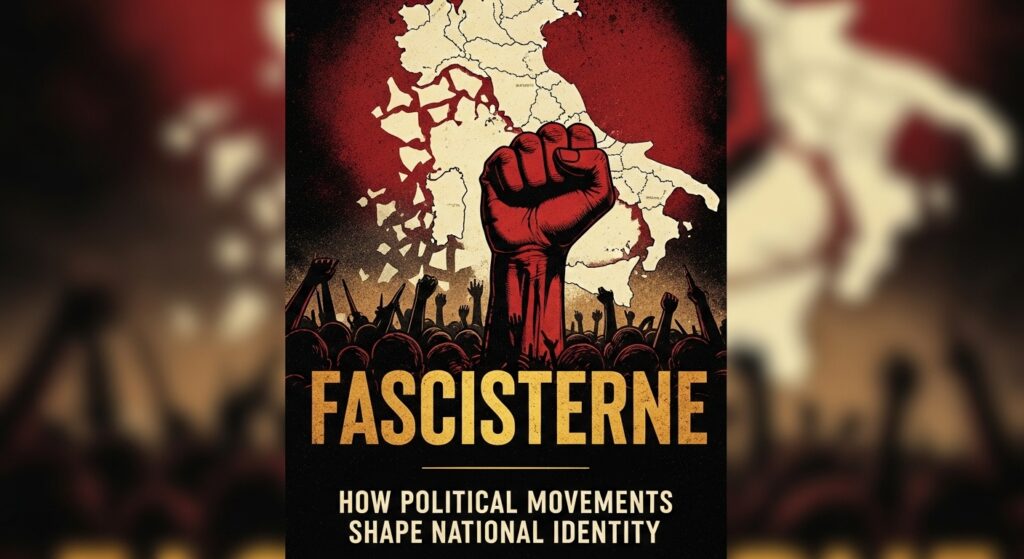
Fascisterne is a term that evokes strong emotions and vivid historical images. It conjures up visions of authoritarian regimes, national pride taken to dangerous extremes, and the suppression of dissent. Yet beneath this dark surface lies a complex relationship between political movements and national identity—one that has shaped countries throughout history.
As we delve into the concept of Fascisterne, it becomes clear how these ideologies create a collective mindset among citizens. They not only influence how people view their own nation but also dictate relationships with others. Understanding this interplay is crucial in recognizing its impact on culture, politics, and individual lives today.
Join us as we explore the profound effects of fascist movements on national identities across different eras. Through examining historical examples and contemporary implications, we’ll uncover why it’s vital to challenge these narratives in our ongoing quest for freedom and equality.
Historical Examples of Fascist Regimes
Fascisterne has left indelible marks throughout history, particularly in the early to mid-20th century. Italy’s Mussolini was one of the first leaders to define and implement fascist principles. His regime emphasized nationalism and authoritarian control, reshaping Italian society.
Germany under Hitler showcased another brutal variant of fascism. The Nazi regime not only promoted extreme nationalism but also propagated racist ideologies that led to horrific consequences during World War II.
Spain’s Franco represents a different facet of fascism, where his dictatorship combined traditional Catholic values with militaristic governance. This era saw significant suppression of dissent and cultural diversity.
Each example illustrates how fascist regimes manipulate national identity for their ends. They create narratives that elevate one group while marginalizing others, often leading to violent repercussions and profound societal shifts.
How Fascism Shapes National Identity
Fascism often seeks to redefine national identity through a lens of exclusion and superiority. By promoting a narrative that emphasizes ethnic purity, it alienates minority groups while galvanizing the majority around a singular vision.
This manipulation reconfigures societal values, instilling a sense of pride intertwined with an underlying fear of others. Citizens are encouraged to view themselves as part of an elite group, reinforcing loyalty to the state above all else.
Through symbols, rituals, and collective memory, fascist movements create emotional connections that shape perceptions of belonging. National identity becomes synonymous with adherence to authoritarian ideals.
The result is a deeply entrenched belief in destiny—a feeling that one’s nation is chosen or exceptional. This fosters an unyielding commitment among followers while simultaneously marginalizing those who do not conform to the prescribed image of national identity.
The Role of Propaganda in Creating a Collective Identity
Propaganda serves as a powerful tool in shaping collective identity within fascist movements. It crafts narratives that resonate deeply with the populace, often tapping into shared fears and desires.
Through carefully curated messaging, these regimes foster a sense of unity among citizens. They emphasize common goals and ideals while vilifying perceived enemies. This “us versus them” mentality solidifies group cohesion.
Visual imagery plays a crucial role too. Flags, symbols, and mass rallies create an emotional connection to the state and its ideologies. These immersive experiences reinforce loyalty.
Moreover, propaganda infiltrates everyday life—schools, media, and even art become vehicles for ideological transmission. The repetition of specific themes embeds these ideas in the public consciousness.
In essence, propaganda shapes not just how individuals see themselves but also their place within the national narrative defined by fascisterne’s vision.
The Effects of Fascist Ideology on Cultural Identity
Fascisterne ideology often reshapes cultural identity by promoting a singular narrative. This narrative typically emphasizes national superiority and vilifies perceived outsiders. Through this lens, art, literature, and even traditions are manipulated to align with state ideals.
As a result, diverse voices within society may be silenced or marginalized. Cultural expressions that deviate from the dominant narrative face censorship or erasure. This creates an atmosphere where creativity is stifled. The rich tapestry of cultural heritage is reduced to a monochrome palette reflecting the regime’s values.
Moreover, Fascisterne can instill a sense of false unity among citizens based on exclusionary principles. People might feel compelled to conform to rigid standards of behavior and belief.
In such environments, true cultural evolution becomes nearly impossible as innovation gives way to imitation driven by fear rather than inspiration.
Contemporary Implications and Repercussions
Today, the legacy of fascist ideologies continues to echo through modern political landscapes. Movements that resonate with such sentiments are often marked by exclusionary nationalism and xenophobia.
Social media amplifies these voices, allowing fringe ideas to gain traction quickly. This creates environments where divisive rhetoric flourishes, reshaping public discourse.
Moreover, the rise of far-right populism in various countries raises concerns about democratic values. The past teaches us that unchecked power can lead to oppression and human rights violations.
Communities must confront these challenges head-on. Engaging in open dialogues is essential for building resilience against extremist narratives.
Educational initiatives play a crucial role too; understanding history empowers citizens to recognize when similar patterns emerge today. By fostering inclusive identities, societies can prevent history from repeating itself.
The Importance of Recognizing and Challenging Fascism in Shaping National Identities
Recognizing and challenging Fascisterne is crucial for the health of any nation. Ignoring its presence allows extremist ideologies to seep into the fabric of society. When these beliefs take root, they can warp national identity into something exclusionary and dangerous.
Awareness fosters a culture that values diversity and inclusivity. By confronting fascist narratives, societies can dismantle harmful stereotypes and encourage critical thinking. This creates space for dialogue rather than division.
Moreover, understanding historical contexts helps citizens identify patterns in current events. It empowers individuals to stand against oppression before it escalates.
Challenging such ideologies not only protects marginalized communities but also enriches national identity as a whole. A robust debate around values strengthens democracy, ensuring all voices are heard in shaping the collective narrative.
Conclusion
Fascisterne has left a profound mark on national identities across the globe. By examining historical examples, we can see how these movements have not only reshaped political landscapes but also influenced cultural narratives and collective memories. The use of propaganda played a critical role in forging a sense of unity among followers, often at the expense of marginalized groups.
The repercussions of fascist ideology continue to resonate today. They remind us that identity is fluid and susceptible to manipulation by those in power. Recognizing the signs of fascism and challenging its narrative becomes essential for preserving democratic values and fostering inclusive societies.
Understanding the complexities surrounding Fascisterne allows us to appreciate our diverse identities while remaining vigilant against divisive ideologies. As history shows, staying informed is key to ensuring that lessons learned are never forgotten, paving the way for more equitable futures.