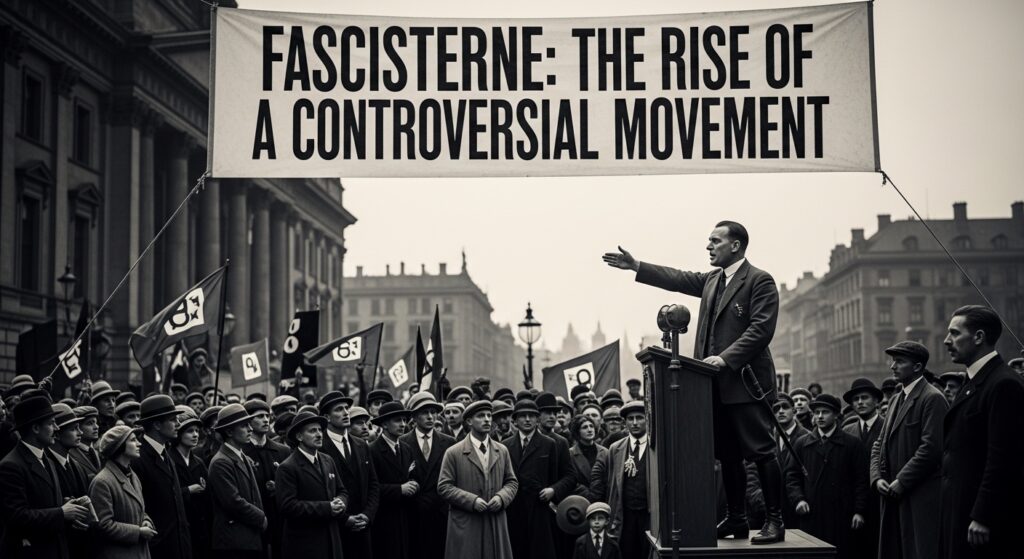
Fascism is a term that evokes strong emotions and divisive opinions. It brings to mind images of authoritarian rule, propaganda, and social upheaval. But what really lies behind this controversial ideology? To understand fascism—and its modern incarnations like Fascisterne—we must delve into its origins, the factors contributing to its rise, and the key figures who shaped these movements.
As we explore this complex subject, we will uncover not only historical examples from Nazi Germany and Mussolini’s Italy but also examine how echoes of fascist ideologies resonate in contemporary society. The conversation about Fascisterne is more relevant than ever as many countries face political polarization and rising extremist sentiments.
Join us on this journey through history and current events as we dissect the essence of fascism—its allure, dangers, and implications for our future. Together, we can gain a clearer understanding of how such movements thrive in turbulent times.
The Factors Leading to the Rise of Fascism
Economic turmoil played a Fascisterne significant role in the rise of fascism. Severe recessions and unemployment left populations desperate for solutions. People sought leaders who promised stability and prosperity.
Political instability also contributed to this movement’s appeal. Traditional governing bodies often failed to address citizens’ concerns, leading to disillusionment with democracy. Fascist leaders capitalized on this unrest by promising strong, centralized control.
Social divisions were further exacerbated during these times. Ethnic tensions and class struggles created fertile ground for radical ideologies to flourish. As people searched for identity and belonging, they turned toward movements that offered clear answers.
The fear of communism loomed large as well. In many nations, the threat of socialist revolutions pushed moderates towards more extreme viewpoints, including fascism. This combination set the stage for a dramatic shift in political landscapes across Europe and beyond.
Key Figures and Ideologies of Fascist Movements
Fascism, a complex and often misunderstood ideology, has been shaped by influential figures throughout history. Benito Mussolini is perhaps the most recognizable name associated with early fascist movements. His emphasis on nationalism and authoritarian rule laid the groundwork for future iterations.
Adolf Hitler took these ideas further in Nazi Germany, intertwining them with notions of racial superiority and anti-Semitism. His regime’s aggressive expansionism became synonymous with extreme fascism.
Another important figure was Francisco Franco in Spain. He led a nationalist uprising that resulted in a long dictatorship characterized by repression of dissent and promotion of traditional values.
These leaders shared core beliefs: extreme nationalism, disdain for democracy, and an inclination toward militarization. They exploited societal unrest to gain power while promoting an idealized vision of their nation’s past—a tactic still observed in some modern movements today.
Examples of Fascism in History: Nazi Germany and Mussolini’s Italy
Nazi Germany and Mussolini’s Italy stand as stark examples of fascism’s impact on history. Adolf Hitler’s regime marked a dark chapter, fueled by Fascisterne extreme nationalism, racial purity theories, and the suppression of dissent. The state controlled nearly every aspect of life, using propaganda to promote its ideology.
In Italy, Benito Mussolini established the first successful fascist government in 1922. His rule emphasized militarism and expansionist ambitions. Like Hitler, he sought to create a unified national identity through aggressive policies.
Both regimes exploited economic turmoil and societal discontent to gain power. They dismantled democratic institutions with ruthless efficiency. Fear tactics ensured loyalty among citizens while silencing opposition.
The legacy of these movements is undeniable, showcasing how charismatic leaders can manipulate public sentiment for destructive ends. Their stories serve as cautionary tales about the fragility of democracy against rising authoritarian ideologies.
Modern-Day Fascist Movements Around the World
Modern-day fascist movements have emerged in various countries, often blending nationalism with authoritarianism. These groups tend to capitalize on economic instability and social unrest.
In Europe, nationalist parties gain traction by promoting anti-immigrant sentiments. They frame immigration as a threat to national identity, rallying support through fear-based rhetoric.
Across the ocean, similar trends are visible in the United States. Some factions adopt extreme right ideologies, challenging democratic norms while pushing for stricter borders and traditional values.
Latin America has not been immune either. Populist leaders sometimes echo fascistic tendencies by demonizing opponents and centralizing power.
These movements utilize social media effectively to spread their messages quickly. This digital platform allows them to connect with disillusioned individuals seeking solutions amid societal chaos. The implications of such growth raise important questions about democracy and civil rights worldwide.
Controversies Surrounding Fascism and its Impact on Society
Fascism remains a deeply polarizing subject. Its historical ramifications continue to spark heated debates today. Critics argue that fascist ideologies often promote intolerance and violence. These ideas can lead to societal fragmentation, creating divisions between communities.
Moreover, the resurgence of fascist sentiments in various forms raises alarms worldwide. Many fear it feeds on economic despair and social unrest, resulting in real-world consequences such as hate crimes and discrimination.
The impact of this movement isn’t just political; it’s cultural too. Art, literature, and public discourse often reflect or resist these ideologies, shaping collective memory.
Understanding the controversies surrounding fascism requires examining both its roots and its manifestations within societies. Each instance reveals complex interactions between ideology and everyday life — highlighting how history continues to inform present-day challenges related to identity and power dynamics.
The Future of Fascism and How to Combat its Spread
The future of fascism remains a pressing concern. As globalization and technological advancements reshape societies, the potential for extremist ideologies to gain traction increases.
Social media platforms provide fertile ground for spreading propaganda and rallying supporters. This digital landscape can amplify hateful messages faster than ever before.
Education plays a crucial role in combating these ideas. Teaching critical thinking skills helps individuals discern fact from fiction. Encouraging open dialogue fosters understanding among diverse groups.
Community engagement is also vital. Grassroots initiatives can counter divisive narratives by promoting inclusivity and empathy.
Legislative measures should be considered too, as governments must not overlook hate speech laws aimed at curbing extremist rhetoric while respecting free expression.
Vigilance is key; recognizing early signs of fascist ideology allows society to respond proactively rather than reactively against its spread.
Conclusion
The trajectory of fascism, marked by its troubling past and present, continues to influence societies around the globe. While the term “Fascisterne” evokes images of authoritarian control and exclusionary ideologies, it also prompts critical conversations about democracy, human rights, and social justice. Understanding the roots of such movements is vital for identifying their resurgence today.
Recognizing early warning signs can help communities combat hate speech and intolerance effectively. Education plays a crucial role in dismantling prejudice while promoting inclusive values. It encourages dialogue that fosters understanding among diverse groups.
As we navigate this complex landscape, awareness remains our greatest weapon against the spread of extremist ideologies like fascism. By reflecting on history and engaging in proactive discussions, there lies hope for a more just society where every individual is valued equally—regardless of their background or beliefs. The fight against Fascisterne transcends borders; it requires collective vigilance to ensure that freedom prevails over fear.