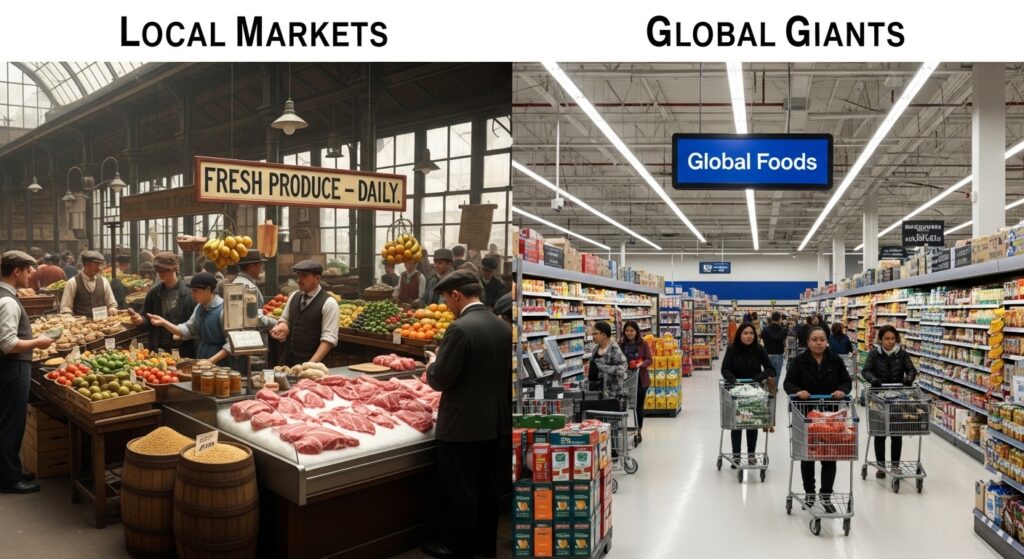
Supermarkets are a staple in our daily lives, acting as one-stop shops for everything from fresh produce to household essentials. But have you ever stopped to think about how these vast emporiums of goods came to be? From humble beginnings rooted in local markets, the journey has been nothing short of fascinating. As we stroll down the aisles filled with vibrant colors and enticing aromas, we often overlook the rich history that shaped today’s grocery shopping experience. Join us as we explore the evolution of supermarkets—from their origins in small-town marketplaces to their current status as global giants dominating retail landscapes worldwide. Each chapter reveals not just a change in shopping habits but also reflects broader economic and social transformations over time. Get ready to dive into an intriguing narrative that connects the past with our present consumption patterns!
The Rise of Local Markets
Local markets have long been the heart of community life. They flourished in towns and neighborhoods, offering fresh produce and handmade goods. These markets became social hubs where neighbors gathered to catch up.
The charm of local markets lies in their unique offerings. Shoppers found seasonal fruits, artisanal bread, and homemade jams that large retailers often overlook. The emphasis on quality over quantity attracted many consumers who preferred supporting local farmers and artisans.
As urbanization increased, these markets adapted to changing consumer needs. Farmers’ markets emerged as a popular trend, showcasing organic products directly from growers. This shift fostered a stronger connection between producers and consumers.
Moreover, local markets often emphasize sustainability practices. Many prioritize eco-friendly packaging or promote zero-waste initiatives that resonate with environmentally conscious shoppers today. Their commitment to community values continues to make them relevant amidst the rise of supermarkets worldwide.
The Impact of Industrialization on Grocery Shopping
Industrialization transformed grocery shopping significantly. It shifted the focus from small, local vendors to larger operations that could provide a wider range of products. As factories emerged, mass production made food items more accessible.
Transportation improvements allowed goods to travel further and faster. Fresh produce and packaged foods became staples in urban areas. This accessibility changed consumer habits dramatically.
People began prioritizing convenience over personal relationships with shopkeepers. Supermarkets started popping up, offering everything under one roof—a stark contrast to previous neighborhood markets.
Standardization also played a role in this shift. Uniform packaging and branding helped consumers make quick choices while shopping, catering to busy lives shaped by industrial progress. The growth of advertising further influenced buying decisions, making brands household names.
Industrialization laid the groundwork for today’s supermarket culture where speed and variety reign supreme.
The First Supermarket: Piggly Wiggly
Piggly Wiggly holds a special place in the history of supermarkets. Founded in 1916 by Clarence Saunders, it revolutionized grocery shopping. The concept was simple yet groundbreaking: self-service.
Before Piggly Wiggly, customers relied on clerks for their purchases. Shoppers would hand over a list and wait as items were gathered behind the counter. This model was time-consuming and less efficient.
Saunders introduced an innovative format where customers could roam freely through aisles, selecting their own products. This not only empowered shoppers but also reduced staffing costs significantly.
The store’s layout encouraged impulse buying, leading to increased sales. With its catchy name and distinctive branding, Piggly Wiggly became synonymous with modern grocery shopping.
Its success paved the way for other supermarket chains across America and beyond, setting a standard that still influences retail today. The legacy of this first self-service supermarket continues to shape how we shop for groceries now.
The Emergence of National Chains
As the supermarket concept gained traction, national chains began to emerge in the mid-20th century. They transformed grocery shopping into a streamlined experience for consumers.
These chains offered consistency and convenience. Shoppers could expect similar products and prices no matter where they were located. This predictability appealed to increasingly mobile families.
Large corporations like Safeway and Kroger expanded aggressively across states. Their marketing strategies focused on brand loyalty, which helped solidify their place in American culture.
The introduction of self-service models allowed customers to browse freely, making shopping more enjoyable than ever before. The aisles became a canvas for showcasing an array of choices that tempted even the most discerning shoppers.
With economies of scale, these national chains managed lower prices while maintaining quality standards. Their ability to negotiate better deals with suppliers further enhanced their competitive edge in a rapidly evolving market landscape.
International Expansion and Dominance
As supermarkets grew in popularity, their ambition did not stop at national borders. The quest for new markets led to the international expansion of major chains.
Brands like Walmart and Tesco ventured overseas, adapting their strategies to local tastes and preferences. This flexibility allowed them to thrive in diverse environments, from bustling cities to remote towns.
Global supermarket giants often implement standardized practices while embracing cultural nuances. They merge familiar shopping experiences with unique regional products.
Such dominance reshapes local economies, affecting small businesses and shifting consumer behavior. Supermarkets become a one-stop destination for everything from groceries to household items.
In many countries, these chains have revolutionized how people shop by introducing efficiencies through technology and logistics. Their presence has transformed retail landscapes worldwide, creating both opportunities and challenges on a global scale.
Technological Advancements in Supermarkets
Technological advancements have transformed supermarkets in remarkable ways. Self-checkout kiosks are now commonplace, allowing customers to scan and pay for their items without the need for a cashier. This speeds up the shopping experience and reduces lines.
Mobile apps have also changed how shoppers interact with stores. Many supermarkets offer loyalty programs through these apps, rewarding customers for frequent purchases while providing personalized discounts based on buying habits.
Online grocery shopping has gained immense popularity as well. Consumers can browse products from home and schedule deliveries at their convenience. This shift caters to busy lifestyles, making groceries accessible with just a few clicks.
Additionally, smart carts equipped with sensors track items as they’re added to the cart, helping shoppers manage budgets effortlessly. These innovations showcase how technology continues to shape the supermarket landscape, enhancing both convenience and efficiency for consumers everywhere.
Current Trends in the Supermarket Industry
Supermarkets today are embracing sustainability like never before. Many are prioritizing eco-friendly products and reducing single-use plastics. Shoppers increasingly seek brands that align with their values.
Online shopping continues to reshape the supermarket landscape. The convenience of home delivery and curbside pickups has become essential for busy consumers. Supermarkets invest in user-friendly apps to enhance this experience.
Health-conscious choices have also gained momentum. Organic, gluten-free, and plant-based options dominate shelves as customers focus on wellness. Supermarkets adapt by expanding these sections to attract a broader audience.
Automation is making waves too. Self-checkout stations streamline the shopping process while reducing wait times at checkout lines.
Personalized marketing is on the rise. Data analytics enable supermarkets to tailor promotions based on individual shopping habits, creating a more engaging experience for every customer who walks through the door or clicks online.
The Future of Supermarkets
The future of supermarkets is poised for transformation. As consumer preferences shift, these retail giants are exploring fresh concepts to enhance shopping experiences.
Sustainability will take center stage. Eco-friendly packaging and local sourcing may become standard practice. Shoppers are increasingly conscious of their environmental impact and will seek out stores that align with their values.
Technology is also set to redefine how we shop. Automation in inventory management can lead to reduced waste while artificial intelligence may provide personalized recommendations for customers.
Moreover, the rise of online grocery shopping shows no signs of slowing down. Supermarkets will likely invest more in e-commerce platforms and delivery services, making it easier than ever for consumers to access products from home.
Collaboration with local farmers and producers could reshape supply chains, creating a direct connection between consumers and the sources of their food. This trend fosters community ties while promoting freshness and quality.
Conclusion
Supermarkets have undergone a remarkable transformation over the years. From humble beginnings in local markets to becoming global giants, they have adapted to changing consumer needs and technological advancements. The rise of industrialization paved the way for innovative shopping experiences, while pioneers like Piggly Wiggly set new standards for grocery stores.
As national chains emerged and expanded internationally, supermarkets became household names across continents. Today, they are not just places to buy groceries; they are hubs of convenience that leverage technology for better customer engagement.
Current trends show an increasing focus on sustainability and health-conscious choices, reflecting the evolving preferences of today’s shoppers. Looking ahead, we can expect further innovation as supermarkets continue to adapt to a dynamic market landscape.
The journey of supermarkets reflects broader changes in society and consumer behavior. They will likely keep evolving in response to our ever-changing world. What lies ahead may redefine how we shop once again.