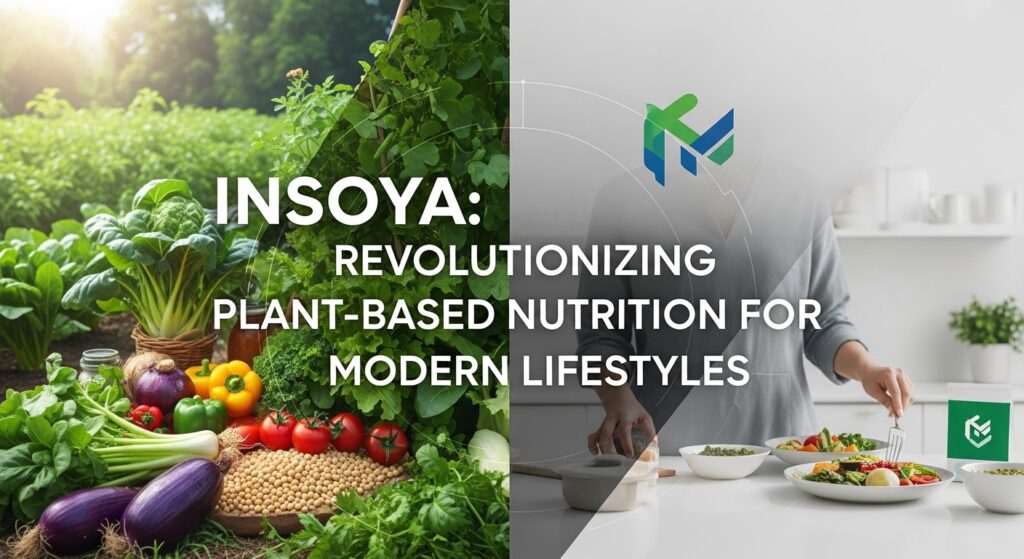
In a small town in northern Europe, a group of nutritionists and food scientists began experimenting with plant-based proteins. Their goal was ambitious: to create a nutrient-dense, versatile food that could rival traditional dairy and soy products in taste, functionality, and health benefits. This experiment gave birth to insoya, a groundbreaking innovation that is quietly reshaping the global plant-based nutrition market.
As more consumers prioritize sustainability and wellness, products like insoya are gaining traction—not just among vegans or vegetarians, but among busy professionals, athletes, and health-conscious families. But what makes insoya stand out in an already crowded plant-based landscape? To understand its significance, we need to explore its origins, nutritional profile, applications, and impact on both individual health and the wider food industry.
The Origins of Insoya: From Experimentation to Innovation
The story of insoya begins with a challenge: traditional plant-based proteins often struggled to deliver a complete amino acid profile, desirable taste, and versatility for cooking. Scientists experimented with a blend of soy isolates and natural plant extracts, optimizing both digestibility and flavor. By carefully balancing protein content with bioactive compounds, they developed a product that was not only nutritious but also adaptable across recipes—from smoothies and baked goods to sauces and soups.
Unlike conventional soy products, insoya avoids many of the common drawbacks, such as gritty texture or overwhelming bean flavor. This refinement makes it a practical choice for households and food businesses looking for high-quality, plant-based protein solutions without compromising taste or usability.
Nutritional Profile: A Complete Plant-Based Protein Source
One of the core strengths of insoya is its nutrient density. Unlike many protein powders or meat alternatives, it provides a well-rounded mix of essential amino acids, vitamins, and minerals. Here’s a comparative snapshot to illustrate its benefits:
| Nutrient per 100g | Insoya | Regular Soy Protein | Almond Milk |
|---|---|---|---|
| Protein | 45g | 36g | 1g |
| Fiber | 8g | 6g | 0.5g |
| Calcium | 250mg | 200mg | 150mg |
| Iron | 5mg | 3.5mg | 0.3mg |
| Vitamin B12 | 2.4µg | 0µg | 0µg |
This table shows that insoya doesn’t just compete with standard soy—it often surpasses it in key nutrients, making it a viable option for those seeking complete plant-based nutrition.
Health Benefits: Beyond Basic Nutrition
The health benefits of insoya extend far beyond protein content. Scientific studies suggest that plant-based proteins like those found in insoya can support heart health, improve digestion, and help regulate blood sugar levels. Its naturally occurring isoflavones and phytonutrients are associated with antioxidant and anti-inflammatory effects, contributing to long-term wellness.
For athletes and fitness enthusiasts, insoya offers a high-protein, low-fat option that aids muscle repair and recovery. For families, it presents a safe and nutrient-rich alternative to dairy, especially for children or individuals with lactose intolerance.
Culinary Versatility: Cooking with Insoya
What sets insoya apart in everyday kitchens is its adaptability. Unlike some plant-based proteins that are limited to smoothies or protein bars, insoya can seamlessly integrate into various culinary contexts:
-
Beverages: Smoothies, shakes, and coffee blends.
-
Baking: Cakes, muffins, bread, and cookies.
-
Savory dishes: Soups, sauces, and plant-based burgers.
-
Meal replacements: Nutrient-dense powders and shakes.
Chefs and home cooks alike appreciate how easily it can be incorporated without altering taste or texture, making it a pantry staple for modern, health-conscious households.
Market Impact and Sustainability
The rise of insoya reflects a broader shift in the food industry. Consumers are increasingly demanding products that are both nutritious and environmentally friendly. Producing insoya typically requires fewer resources—less water and land—compared to animal-based protein sources, contributing to a smaller ecological footprint. This makes it an appealing choice for companies and individuals committed to sustainability.
Moreover, the growing popularity of plant-based diets means that innovative products like insoya are driving new market segments. From startups to established food brands, businesses are exploring ways to incorporate it into ready-to-eat meals, snack bars, and even culinary kits.
Expert Perspectives: Why Insoya Matters
Nutritionists and food scientists emphasize that the real strength of insoya lies in its balance. According to Dr. Lena Fischer, a leading plant-based nutrition expert, “Insoa represents the next evolution in plant protein. It combines functionality, taste, and complete nutrition in a way that meets the needs of today’s lifestyle.”
This perspective aligns with consumer trends: people want health benefits without sacrificing convenience or taste. Insoya manages to bridge that gap, making it an attractive option for a broad demographic.
Future Outlook: Insoya in a Growing Market
Looking ahead, the potential for is immense. As plant-based diets become mainstream, the demand for versatile, high-quality proteins will continue to rise. Innovations in flavor, texture, and fortification are likely to expand its applications, from professional culinary use to daily household consumption.
Insoya also represents a template for future food innovations—combining science, sustainability, and culinary flexibility to meet evolving consumer expectations.
Conclusion
Insoya is more than just another plant-based protein; it’s a reflection of the changing relationship between food, health, and sustainability. Its nutritional profile, culinary versatility, and environmental benefits position it as a product that addresses both individual wellness and global food challenges. For those seeking a reliable, delicious, and forward-thinking protein option, is setting a new standard.