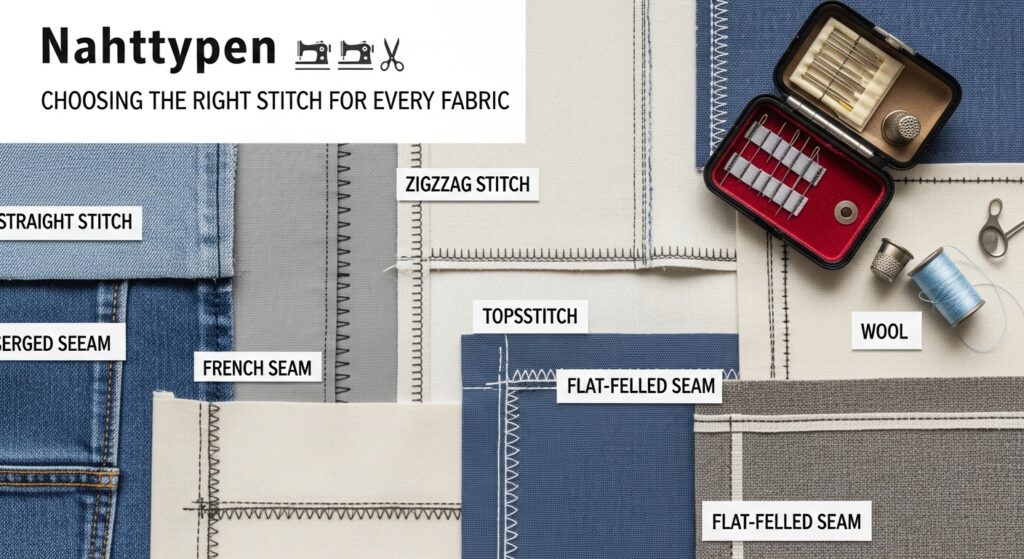
Sewing is an art that combines creativity and precision, where every detail matters. One of the most crucial aspects of sewing is understanding Nahttypen, or stitch types. These stitches are not just functional; they can elevate your project from basic to breathtaking. Imagine transforming a simple fabric into a stunning garment or accessory merely by choosing the right stitch.
But with so many options available—each suited for different fabrics—the selection process can feel overwhelming. Fear not! This guide will unravel the complexities of stitches and help you make informed decisions tailored to your materials. Whether you’re a novice eager to learn or an experienced seamstress looking to refine your skills, mastering Nahttypen is essential for achieving professional results in all your sewing endeavors. Let’s dive in!
What are Nahttypen and why are they important?
Nahttypen, or stitch types, are the foundation of sewing that dictate how fabrics come together. Each stitch serves a specific purpose and contributes to the overall strength and aesthetic of your project.
Understanding these stitches is crucial for both functionality and design. A straight stitch provides durability for seams, while a zigzag stitch allows for stretch in knit fabrics. Choosing the right type can prevent fabric fraying and ensure longevity.
Moreover, Nahttypen play a significant role in achieving professional finishes. They influence everything from hems to decorative elements, allowing you to express creativity through texture and pattern.
Without proper knowledge of stitches, even the most beautiful fabric can fall flat. Recognizing which Nahttypen suit your materials elevates your sewing game and opens up endless possibilities for innovation in every piece you create.
Understanding different types of stitches
Stitches are the foundation of sewing. Each type serves a unique purpose, adding strength and style to your creations. Straight stitches are the most common. They provide durability and work well with nearly all fabrics, making them ideal for seams. Zigzag stitches offer flexibility. They’re perfect for knit fabrics or finishing raw edges because they stretch without breaking.
For decorative touches, consider specialty stitches like satin or blanket stitches. These can enhance hems or add flair to any project. When working with delicate materials such as lace or chiffon, opting for a micro-stitch is wise. It minimizes fabric distortion while providing neat results. Each stitch has its strengths and weaknesses; knowing when to use them elevates your sewing game significantly.
Choosing the right stitch for different fabrics
Choosing the right stitch for different fabrics can make or break your sewing project. Each fabric type has its own characteristics, so understanding these is crucial.
For lightweight materials like chiffon or silk, a straight stitch works well but might require a smaller needle to avoid snags. A zigzag stitch is ideal for knit fabrics, allowing them to stretch without breaking the seam.
Heavier fabrics such as denim benefit from a triple-stitch or reinforced straight stitch. These options provide durability and support against wear and tear.
Don’t forget about specialty stitches. For leather, using a walking foot with an appropriate needle will help you achieve clean lines without damaging the surface.
Experimenting with different stitches on scrap pieces of fabric can help you find what works best before committing to your final project.
Common mistakes to avoid when sewing with different fabrics
When sewing with various fabrics, it’s easy to make mistakes that can affect your final product. One common error is not pre-washing fabric. Different materials shrink differently, and skipping this step can lead to unexpected size issues later.
Another frequent oversight involves using the wrong needle type. Each fabric has its own characteristics that require specific needles for optimal results. For instance, a jersey needle works wonders on knits but causes snags in woven fabrics.
It’s also crucial to consider thread choice. Using heavy thread on lightweight fabric can result in puckering or tearing, while too fine a thread may break under tension.
Neglecting proper seam allowances can ruin a project as well. Always refer to your pattern instructions for the correct measurements tailored for different types of materials. Taking these precautions will enhance both the durability and appearance of your finished pieces.
Tips for achieving professional-looking stitches
Achieving professional-looking stitches is all about attention to detail. Start by ensuring your sewing machine is properly threaded and the tension settings are correct. This simple step can make a world of difference in stitch quality.
Use high-quality thread that matches your fabric type. A good thread not only enhances appearance but also ensures durability over time.
Practice on scrap pieces of fabric before diving into your main project. This helps you gauge how different stitches appear and allows for adjustments without risking your final piece.
Maintain a steady hand while guiding the fabric through the machine. Uneven pressure can lead to wobbly seams and inconsistent stitching.
Consider finishing techniques like serging or zigzag stitching along raw edges for a polished look, minimizing fraying and enhancing durability while providing that professional touch to any project.
How to troubleshoot stitching issues
Stitching issues can be frustrating, but many problems have straightforward solutions. Start by examining your thread tension. If the stitches are loose or tight, adjusting the tension dial often helps.
Check your needle size and type. A dull or incorrect needle can cause skipped stitches or fabric damage. Always use a needle suited for your specific fabric type.
Thread quality matters too. Low-quality threads may fray easily, leading to uneven stitching. Opt for high-quality threads that match both the weight and fiber content of your fabric.
If you’re experiencing puckering, ensure you’re using the right stitch length and width settings on your machine. Experiment with these adjustments until you achieve smooth seams.
Don’t forget about cleaning your sewing machine regularly! Lint buildup can affect performance significantly; keeping it clean ensures consistent stitching results every time you sew.
Perfecting your sewing skills with the right stitch selection
Mastering your sewing skills hinges on understanding Nahttypen. The right stitch can transform basic projects into stunning creations.
Experiment with various stitches, from straight to zigzag, and discover how each affects fabric behavior. Some fabrics require a delicate touch, while others thrive under sturdy seams.
Practice makes perfect. Take time to sew test swatches before committing to your final piece. This helps you gauge tension, stretch, and overall appearance.
Don’t shy away from detailed techniques like decorative stitching or bias binding for added flair. These can elevate simple designs dramatically.
Keep a reference guide handy as you explore different fabrics and their ideal stitches. Over time, this will enhance your confidence in making decisions that showcase your unique style.
Embrace the learning process; every mistake is an opportunity for growth in your sewing journey!
Conclusion
Choosing the right Nahttypen can elevate your sewing projects from basic to breathtaking. Understanding the importance of different stitches and how they perform on various fabrics is crucial for any sewer, whether you’re a beginner or an experienced crafter. By selecting appropriate stitches, you enhance not just the look but also the durability of your creations.
Avoiding common mistakes while sewing will help streamline your process and improve results. As you gain experience, applying tips for professional-looking finishes becomes easier. And with troubleshooting skills at hand, tackling stitching issues won’t feel overwhelming.
Perfecting your craft hinges on this essential knowledge about stitch selection. The right Nahttypen empower you to confidently tackle diverse fabric choices and achieve beautiful outcomes in every project. Embrace this journey of creativity; each stitch is a step toward mastering the art of sewing.