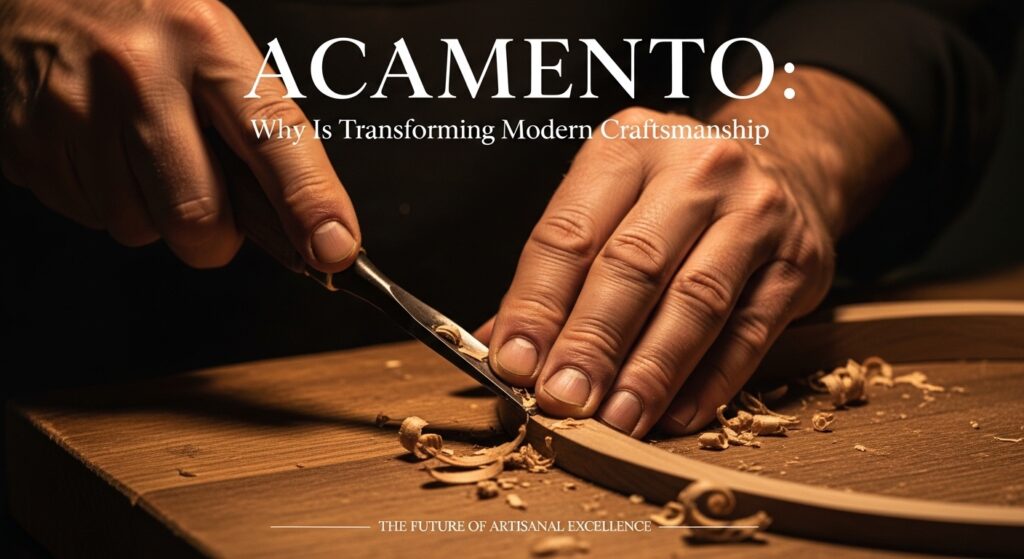
In a world where mass production often overshadows individuality, Acamento emerges as a breath of fresh air. This innovative approach to craftsmanship blends traditional techniques with modern technology, creating pieces that are not only functional but also deeply personal. As we navigate an era defined by rapid change and fleeting trends, the essence of Acamento invites us to rediscover the beauty of handmade artistry.
Imagine walking into a space filled with unique items, each telling its own story. That’s the magic of Acamento—a movement reshaping how we perceive quality and creativity in our everyday lives. From furniture design to fashion, this transformation is making waves across various industries. Join us as we explore how Acamento stands at the forefront of modern craftsmanship, elevating it in ways that resonate with both artisans and consumers alike.
Traditional vs Modern Craftsmanship
Traditional craftsmanship is rooted in age-old techniques passed down through generations. It values the artisan’s skill and attention to detail, often relying on hand tools and time-honored methods. Each piece carries a story, reflecting cultural heritage and personal touch. On the other hand, modern craftsmanship embraces innovation. Technology plays a significant role here, with digital tools enhancing precision and efficiency. The focus shifts from solely individual artisanship to collaborative design processes that can involve multiple disciplines.
This evolution allows for greater scalability while still maintaining quality. Modern craftsmen blend traditional methods with contemporary aesthetics, creating unique products that appeal to today’s consumers. The interplay between these two worlds enriches the craft landscape, offering diverse options for both creators and customers alike.
The Benefits of Acamento in Modern Craftsmanship
Acamento brings a fresh perspective to modern craftsmanship. By blending traditional techniques with contemporary innovations, it elevates the quality of handcrafted goods. Artisans can now achieve precision and detail that was once unimaginable. This approach fosters creativity. Craftspeople are inspired to experiment with materials and processes, leading to unique creations that stand out in today’s market. The fusion of old and new allows for endless possibilities.
Moreover, Acamento enhances efficiency in production without sacrificing artistry. Faster turnaround times mean artisans can meet consumer demand while maintaining high standards of quality. Sustainability is also a key benefit. Many Acamento practices prioritize eco-friendly materials and methods, reducing waste and contributing positively to the environment. These advantages make Acamento an essential aspect of evolving craftsmanship today, offering both artisans and consumers something truly special.
Examples of Acamento in Different Industries
Acamento is reshaping various industries with its innovative approach. In the fashion world, designers are embracing Acamento to blend traditional techniques with modern materials. This fusion creates unique pieces that tell a story while maintaining contemporary relevance. The furniture industry also showcases Acamento’s impact. Artisans now combine age-old craftsmanship with digital tools, resulting in stunning bespoke items that reflect both heritage and innovation. Customization has never been easier or more exciting.
In technology, Acamento plays a crucial role as well. Companies integrate handcrafted designs into high-tech products, emphasizing artistry without sacrificing functionality. This trend appeals to consumers who value authenticity amid mass production. Even in food and beverage, artisans adopt Acamento principles by merging ancient recipes with modern culinary techniques. These creations offer delightful experiences that celebrate cultural roots while pushing boundaries of flavor and presentation.
Impact on Sustainability and Environmental Conservation
Acamento significantly influences sustainability and environmental conservation. By merging traditional techniques with modern technology, it fosters a more mindful approach to craftsmanship.
Craftsmen can minimize waste by utilizing locally sourced materials. This not only reduces transportation emissions but also supports local economies. The emphasis on quality over quantity means products are made to last longer, decreasing the need for frequent replacements.
Additionally, Acamento encourages the upcycling of materials. Instead of discarding unused resources, artisans transform them into beautiful new creations. This practice enhances creativity while preserving valuable raw materials.
Moreover, using eco-friendly processes in production helps reduce harmful chemical usage. Artisans adopting these methods contribute positively to their communities and ecosystems.
As awareness grows around sustainable practices, Acamento stands as a beacon for future generations of craftsmen who prioritize both artistry and environmental stewardship.
The Future of Craftsmanship with Acamento
The future of craftsmanship is bright with the advent of Acamento. As artisans embrace this innovative approach, we see a blend of tradition and technology shaping new possibilities.
Craftsmen are now able to integrate digital tools into their processes. This fusion enhances creativity while preserving age-old techniques. The precision offered by modern technology allows for intricate designs that were once challenging to achieve.
Moreover, Acamento fosters collaboration among diverse industries. Artists can connect across boundaries, sharing ideas and skills that elevate craftsmanship as a whole. This cross-pollination leads to unique creations that captivate audiences.
Sustainability also plays a significant role in this evolving landscape. By utilizing eco-friendly materials and practices, craftsmen contribute positively to environmental conservation efforts.
As we look ahead, it’s clear that Acamento will redefine what it means to be a craftsman in our ever-changing world. The journey has just begun, but the potential is limitless.
Conclusion
Acamento is redefining the landscape of modern craftsmanship. By blending traditional techniques with contemporary innovations, it fosters creativity and encourages a fresh approach to making. This transformation not only enhances quality but also embraces sustainability, paving the way for responsible production practices.
As industries continue to adopt Acamento principles, we see a ripple effect that benefits artisans and consumers alike. The emphasis on durability and environmental consciousness resonates with today’s conscious buyers. They are looking for products that tell a story while reducing their carbon footprint.
The future of craftsmanship holds endless possibilities through Acamento. As more creators embrace this innovative mindset, we can expect to witness an exciting evolution in how goods are produced and appreciated across various sectors. Craftsmanship is undergoing a renaissance driven by Acamento’s ethos, promising an inspiring journey ahead for both makers and appreciators of fine work.